Introduction
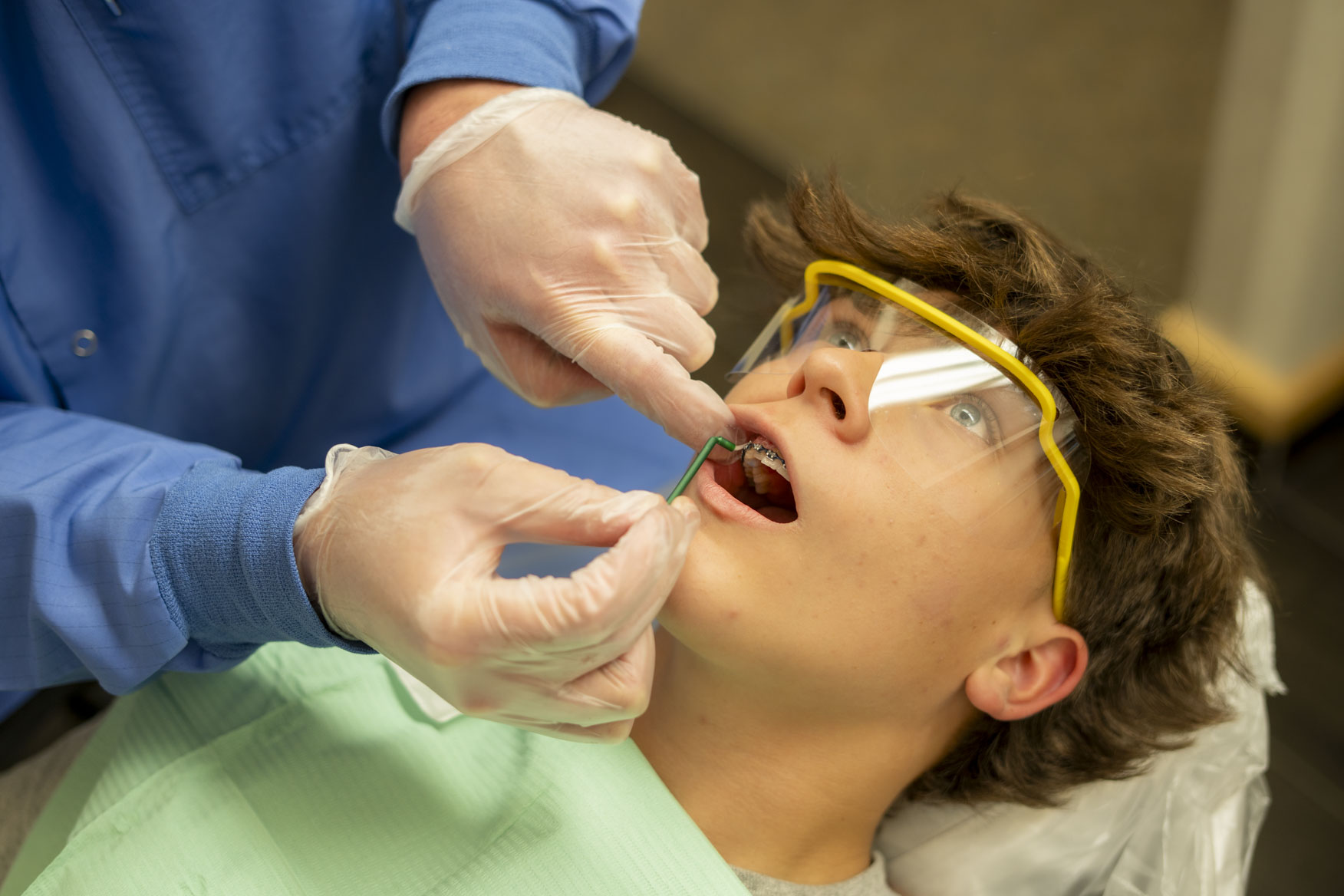
Most people think of “clean teeth” as something that happens at their dental visit — one solid cleaning every six months, and you’re good to go. But here’s the truth: your dentist only sees you for about 90 minutes out of the entire year. Everything else that happens to your teeth — good or bad — comes from the habits that you practice daily. Four minutes of brushing a day matters far more than two professional cleanings alone.
The fact is, your daily habits at home are what protect your smile the most. Whether you live in Grand Haven, MI or surrounding lakeshore communities (Spring Lake, Ferrysburg, Nunica, Robinson, West, Olive, Fruitport, Norton Shores, or Muskegon), Harbor Lights Dental Care can give you the expert support on the basics of oral health are the like: cleaning consistently, cleaning correctly, and knowing when to get help from your local dentist.
Let’s break down the simple daily habits that make the biggest difference. Each one is easy, doable, and proven to benefit your long-term oral health.
Why Clean Teeth Between Visits Matter So Much
Your dentist gives you a professional cleaning to remove tartar and check the overall health of your mouth. But it’s the daily habits you build at home that determine whether plaque becomes a problem in the first place.
Consistent care at home helps prevent:
- Plaque buildup (the sticky bacteria that hardens into tartar)
- Gingivitis (early gum disease)
- Periodontal disease (gum infection that can lead to bone loss)
- Tooth decay
- Bad breath
- Staining and discoloration
- Costly or complex treatments later on
Every time you eat or drink, bacteria in your mouth feed on sugars and carbs. They create acids that soften and weaken enamel. Your saliva does a great job of balancing the pH of your mouth, but it can’t keep up when plaque is constantly left behind.
So the real secret to clean teeth is simple: remove the bacteria before they cause problems.
With that in mind, let’s walk through the top habits that keep your teeth clean and healthy all year long.
1. Brush the Right Way — Not Just Twice a Day
Most people think brushing is the easy part — until they learn they’re doing it wrong. Brushing isn’t about how hard you scrub. It’s about how gently and thoroughly you clean the entire tooth surface.
Brushing the right way helps:
- Prevent cavities
- Reduce gum irritation
- Strengthen enamel (with fluoride toothpaste)
- Remove bacteria that cause bad breath
- Stop early plaque from turning into tartar
And bonus: good brushing makes your professional cleaning faster and more comfortable.
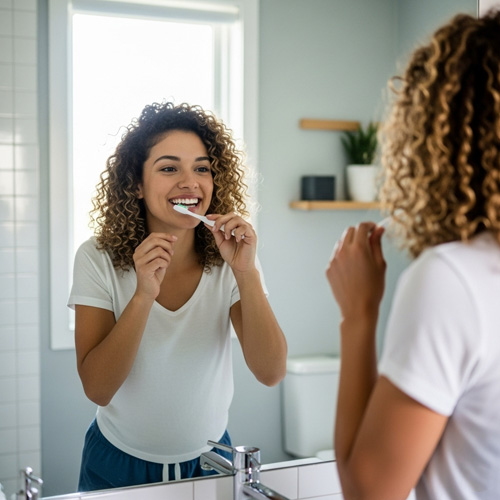
How to Brush Your Teeth (Step-by-Step)
- Use a soft-bristled toothbrush. Hard bristles can damage gum tissue over time.
- Angle the brush at 45 degrees toward the gumline — this is where plaque hides.
- Use small, gentle circles. Never “scrub” side to side.
- Brush each section for 30 seconds, for a total of two minutes.
- Clean all three surfaces: outer, inner, and chewing sides.
- Brush your tongue to remove bacteria and improve breath.
- Replace your toothbrush every 3 months or when bristles bend.
This technique helps protect both your teeth and gums, giving you a healthier, cleaner mouth between every dental visit.
Should You Use an Electric Toothbrush?
If brushing feels like guesswork or if you rush through it, an electric toothbrush can be a game changer.
They’re especially helpful if you:
- Brush too aggressively
- Tend to miss areas behind your lower front teeth
- Have early signs of gum inflammation
- Want a deeper clean with less effort
Electric toothbrushes often come with built-in timers and pressure sensors — making it easier to get the full two minutes without damaging your gums.
If you're not sure which brush is best for you, your hygienist at Harbor Lights Dental Care can recommend one based on your gum health and enamel needs.
2. Floss Every Day (Even If You Don’t Feel Like It)
If there’s one habit that separates healthy mouths from struggling ones, it’s flossing. You’ve probably heard this before — but here’s why it matters:
Flossing helps prevent:
- Gum inflammation
- Tooth decay between teeth
- Bad breath
- Gum recession
- Tartar buildup
Your toothbrush, no matter how good, can’t reach the tight spaces where food and bacteria get trapped. These areas make up about 40% of the surface of each tooth — almost half!
So skipping flossing is like only washing half your face or half your hands. It leaves bacteria behind even when brushing feels “good enough.”
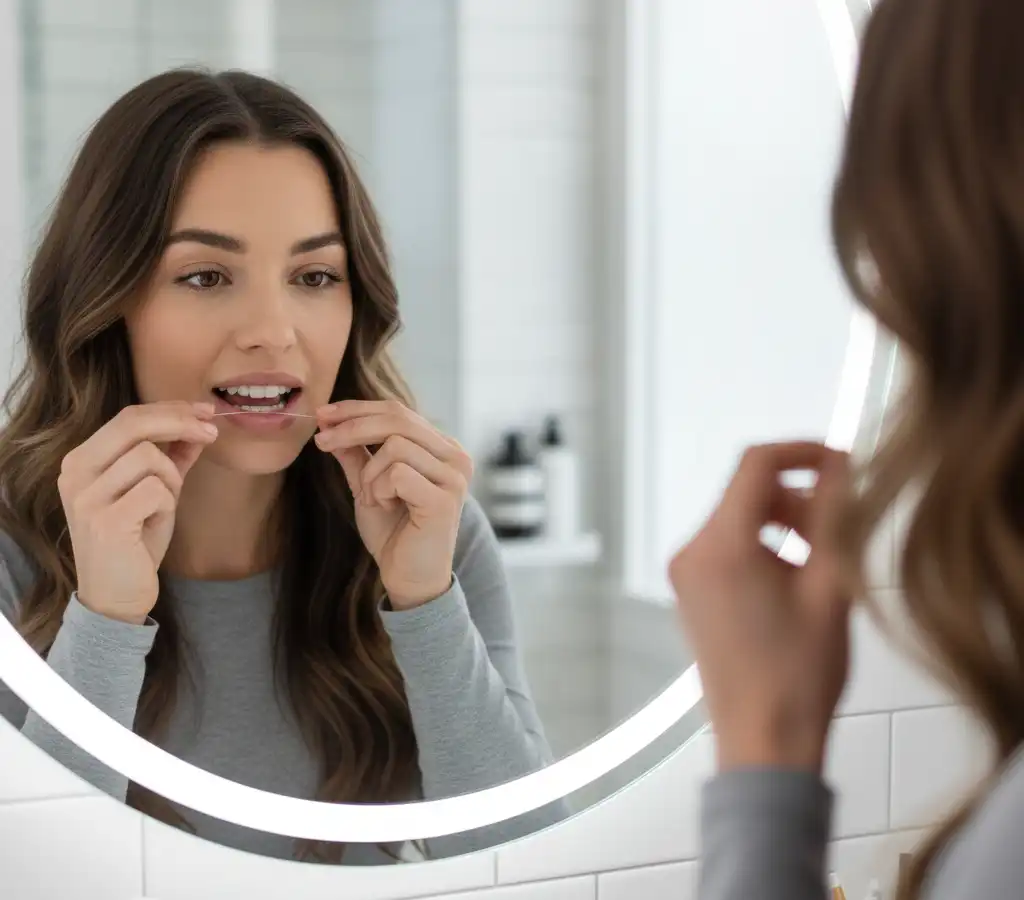
The Right Way to Floss
- Pull about 18 inches of floss and wrap most of it around your fingers.
- Gently guide it between the teeth using a back-and-forth motion.
- Curve the floss into a C-shape around each tooth.
- Slide it up and down, including below the gumline — this is the part most people skip.
- Use a fresh section of floss for each tooth.
If Flossing Is Hard, Try Alternatives
You don’t have to use traditional floss for it to count. Many people prefer:
- Floss picks (simple and convenient)
- Water flossers (excellent for gum health and people with braces)
- Interdental brushes (great for larger spaces between teeth)
The best flossing method is the one you can do every single day — consistency is more important than perfection.
3. Use Mouthwash to Reduce Bacteria and Clean Hard-to-Reach Areas
Mouthwash isn’t a replacement for brushing or flossing — but it does boost your routine.
Using mouthwash helps:
- Reduce harmful bacteria
- Strengthen enamel (fluoride formulas)
- Freshen breath
- Rinse areas your brush may miss
- Support gum health
It only takes 30 seconds. Think of it as an extra layer of protection.
Choose the Right Mouthwash
Look for:
- Fluoride mouthwash for stronger enamel
- Alcohol-free options to avoid dryness
- Antimicrobial formulas to reduce plaque-causing bacteria
Swish after brushing, or use it midday when you can’t brush. Bonus: it helps balance your mouth’s pH after acidic foods or drinks.
4. Eat Foods That Help Clean Your Teeth Naturally
Your diet affects your teeth more than most people realize. Some foods help clean your teeth, while others encourage plaque growth.
The good news? You don’t need a complicated dental diet — just a few smart choices.
Foods That Benefit Your Teeth
Apples, carrots, celery
Crunchy foods that naturally scrub the surface of your teeth and boost saliva.
Cheese and yogurt
High in calcium and low in sugar — they help balance acid and strengthen enamel.
Leafy greens
Packed with vitamins and minerals that support healthy gums.
Nuts and seeds
Provide healthy fats and trace minerals your teeth need.

Foods That Harm Your Teeth
Limit these:
- Soda and sports drinks
- Sticky or chewy candy
- Sugary coffee drinks
- Frequent snacking (keeps your mouth acidic)
- Highly acidic foods
Pro tip: After acidic meals or drinks, rinse with water to help your enamel recover.
5. Drink Water Throughout the Day
Water is one of the easiest ways to improve your oral health effortlessly.
The health benefits are huge:
- Rinses away food particles
- Neutralizes acids that wear down enamel
- Helps prevent dry mouth
- Freshens breath naturally
- Supports healthy saliva flow (your mouth’s #1 defense system)
If you want a healthier smile with almost no effort, simply drink more water — especially between meals.
6. Clean Your Tongue Daily
Your tongue is home to the bacteria that cause bad breath and contribute to plaque.
Cleaning it daily helps:
- Reduce odor
- Remove harmful bacteria
- Improve taste
- Support overall mouth cleanliness
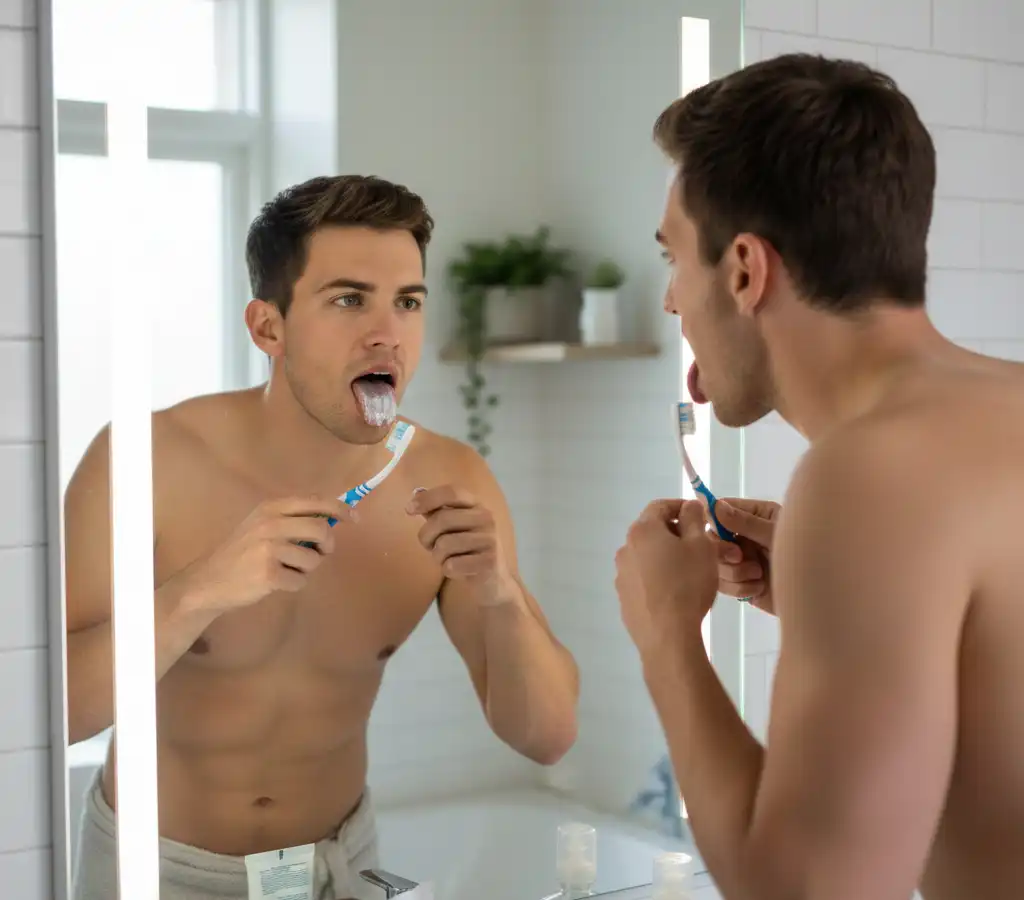
You can use a tongue scraper, toothbrush, or the textured back of certain brushes. Start at the back and gently work forward once a day.
7. Chew Sugar-Free Gum After Meals
If you can’t brush after eating, sugar-free gum is a surprisingly effective backup.
Sugar-free gum helps:
- Increase saliva production
- Rinse away food debris
- Neutralize acids
- Reduce cavity-causing bacteria
- Freshen breath instantly
Look for gum containing xylitol, a natural sweetener that actually fights plaque.
8. Avoid Tobacco Products
Tobacco doesn’t just stain your teeth — it harms almost every part of your oral health.
Tobacco use can cause:
- Heavy plaque buildup
- Gum disease
- Dry mouth
- Slower healing after dental treatments
- Tooth loss
- Oral cancer
Quitting provides immediate health benefits, and your dentist can help support you with resources and recommendations.
9. Pay Attention to Changes in Your Mouth
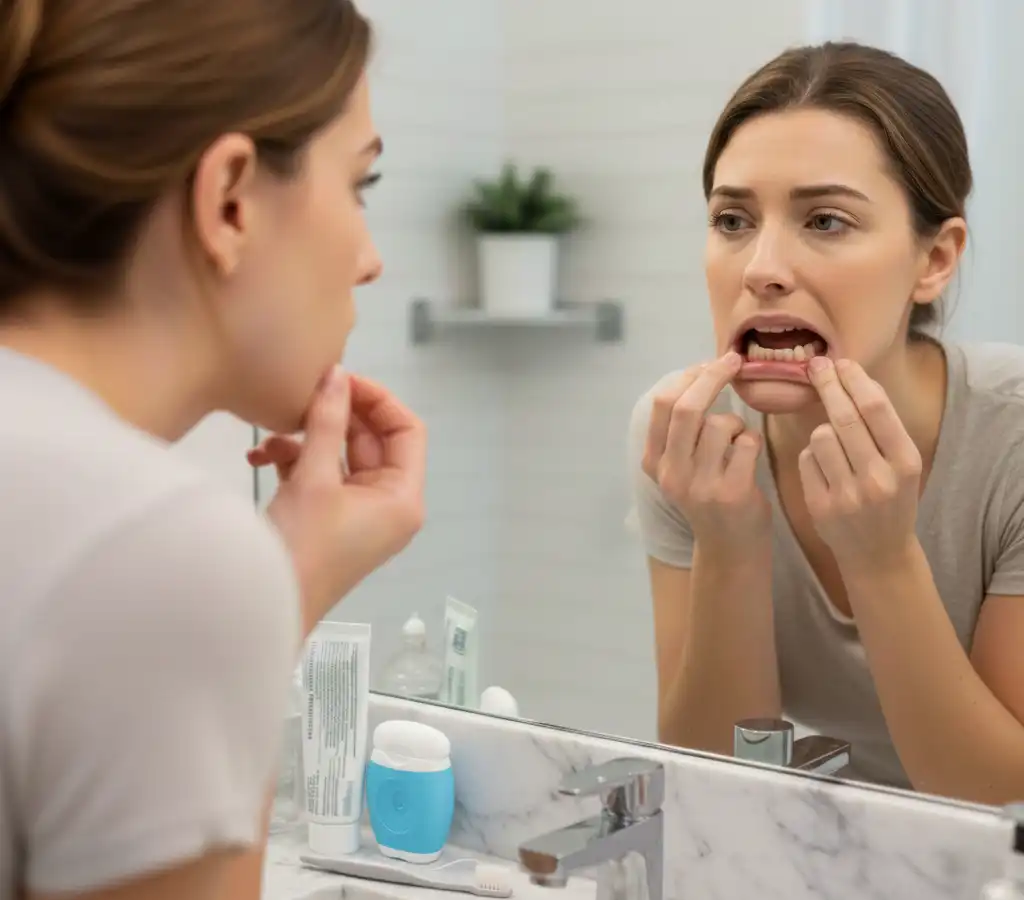
Your mouth is always giving you signals. The key is learning to notice them early.
Watch for:
- Bleeding when brushing or flossing
- Sensitivity to hot or cold
- A sour taste or persistent bad breath
- Receding gums
- Dark spots on teeth
- Chips or cracks
- Sores that don’t heal
These signs don’t always mean something serious, but ignoring them often leads to bigger issues. Early dental care is almost always easier — and more affordable — than waiting.
10. Don’t Skip Your Regular Dental Visits
Even if you have a great at-home routine, you still need professional cleanings to remove hardened tartar and check for early signs of problems.
At Harbor Lights Dental Care, your local dentist in Grand Haven, MI and surrounding lakeshore communities, you’ll receive:
- A thorough dental cleaning
- Digital X-rays when needed
- Gum health measurements
- Oral cancer screening and wellness scan
- Personalized brushing and flossing coaching
- Fluoride treatments when helpful
Your dentist can catch problems early, saving you time, money, and discomfort down the road. If you’re due for your next cleaning, you can schedule an appointment here:
👉 https://harborlightsdental.com/contact/#appointment