
I. Introduction: Why Gum Disease Prevention Matters
Gum disease often starts quietly—maybe a little bleeding when you brush or a bit of bad breath you can’t explain. But small signs can turn into big problems fast. That’s why knowing how to spot issues early and when to call a local dentist is one of the smartest things you can do for your health.
At Harbor Lights Dental Care, we see every day how simple habits can protect your gums, prevent damage, and save you from costly treatment later. If you live in Grand Haven, MI or surrounding lakeshore communities (Spring Lake, Ferrysburg, Nunica, Robinson, West, Olive, Fruitport, Norton Shores, or Muskegon), this guide will show you exactly what to look for, what you can handle at home, and when it’s time to get expert help.
You’ll learn how to catch gum disease early, how dentists diagnose and treat it, and how to keep your gums healthy for life—without complicated steps or confusing dental jargon.
II. Understanding Gum Disease (A Simple, Informational Overview)
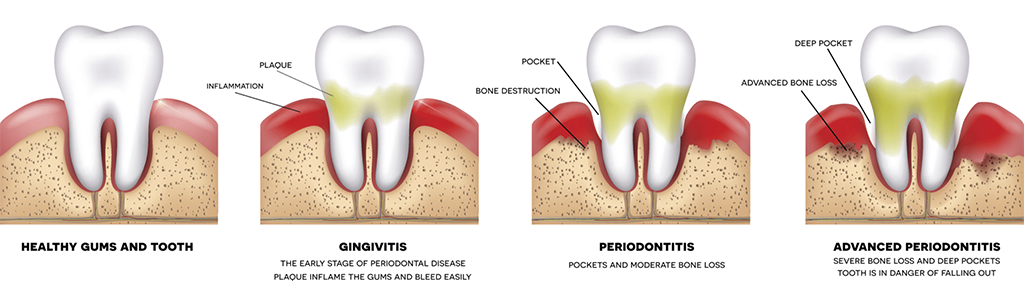
Gum disease is an infection in the tissue that holds your teeth in place. It usually starts with plaque—a sticky film of bacteria that builds up on your teeth every day. If plaque isn’t cleaned off, it hardens into tartar, which irritates your gums and makes them swell, bleed, or feel tender. This early stage is called gingivitis, and it’s the easiest stage to treat.
If gingivitis is ignored, it can turn into periodontitis, a more serious form of gum disease. This can cause gums to pull away from your teeth, form pockets, and even lead to bone loss. The good news? Most gum disease is preventable with simple daily habits and regular checkups from your trusted dentist.
Gum Disease Stages
- Healthy gums: Firm, pink, no bleeding
- Gingivitis: Redness, swelling, bleeding when brushing or flossing
- Early periodontitis: Gum pockets form around teeth
- Advanced periodontitis: Bone loss, loose teeth, possible tooth loss
People who smoke, have diabetes, skip flossing, or get cleanings less often are at higher risk. But anyone can develop gum disease if bacteria build up long enough. Learning how it starts—and what to watch for—is the first step in staying ahead of it.
III. How to Detect Gum Disease at Home (Early Identification)
Catching gum disease early is one of the most powerful ways to stop it from getting worse. The good news is that you can spot many early signs right at home with just a little attention to what your gums and mouth are telling you.
Start by looking in the mirror under good lighting. Healthy gums should be firm, pink, and tight around your teeth. If you notice redness, puffiness, or bleeding when you brush or floss, those are early warning signs of gingivitis. Don’t ignore them—bleeding gums are never “normal,” even if you think you’re brushing too hard.
Next, notice any changes in your breath. Persistent bad breath can be caused by bacteria hiding under the gumline. You can also gently run a clean finger along your gums; if they feel sore or tender, that’s another sign something isn’t right.
Pay attention to how your teeth feel when you bite. If a tooth suddenly feels “loose” or your bite seems off, that may mean gum disease has progressed.
If you spot any of these symptoms, don’t wait. Early action—especially a visit to a local dentist near me such as Harbor Lights Dental Care—can keep small problems from turning into painful, costly ones.
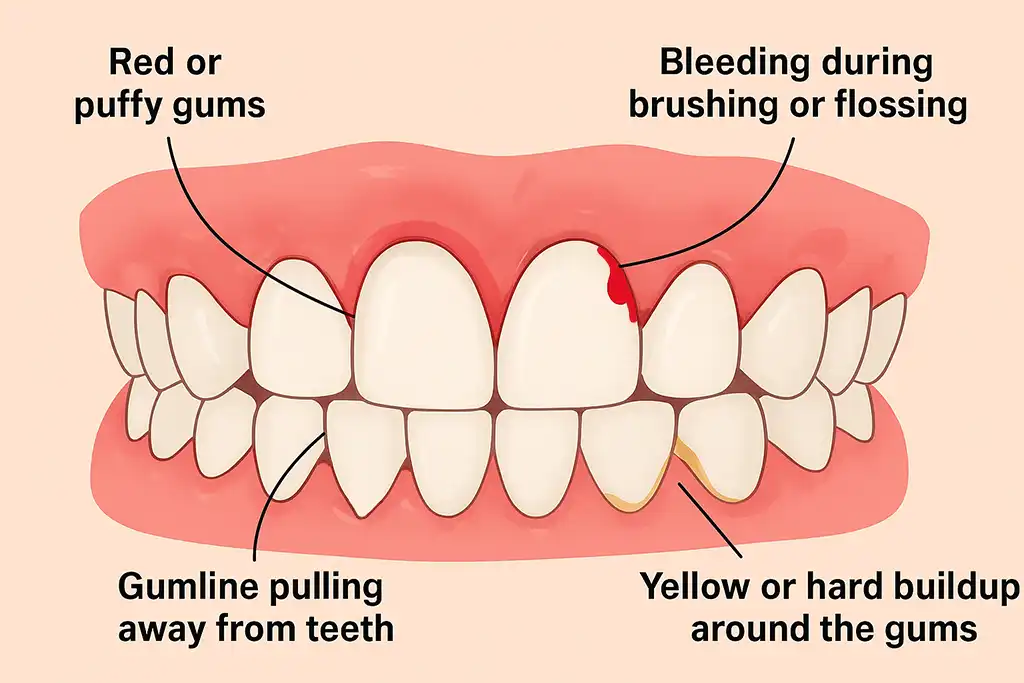
At-Home Gum Check Routine (Quick Visual Aid)
Look For:
- Red or puffy gums
- Bleeding during brushing or flossing
- Gumline pulling away from teeth
- Yellow or hard buildup around the gums
Feel For:
- Tenderness when touching your gums
- Teeth that feel slightly loose
- Bite that feels “different”
Smell/Taste:
- Bad breath that doesn’t go away
- Sour or metallic taste
If anything seems off, schedule an exam with your dentist—early treatment prevents bigger problems.
IV. How to Prevent Gum Disease at Home (Daily Habits That Actually Work)
The best way to avoid gum disease is to build simple habits you can stick with. Start with brushing twice a day using a soft-bristle toothbrush. Move the brush gently along your gumline, not just across the tops of your teeth. This is where harmful bacteria like to hide.
Next, make flossing non-negotiable. It takes less than a minute and removes the sticky plaque your toothbrush can’t reach. If flossing is difficult for you, try floss picks or a water flosser—both work well.
Your diet matters too. Sugary snacks and drinks create ideal conditions for bacteria to grow. Choose more water, fresh fruits, and crunchy veggies to keep your mouth cleaner throughout the day.


Finally, keep an eye on changes. If your gums start to bleed more often, feel sore, or look red, don’t wait it out. Early action prevents major dental problems later.
These simple steps take far less time than dealing with advanced gum disease—and they help your smile stay healthy for years.
Daily Gum Health Checklist
- Brush twice a day using a soft toothbrush
- Angle your brush toward the gumline
- Floss once a day (or use floss picks/water flossers)
- Rinse with water after sugary snacks
- Drink more water and fewer sugary drinks
- Eat crunchy fruits and vegetables to help clean teeth naturally
Diet Tips That Help Your Gums
- More: apples, carrots, leafy greens, cheese
- Less: sticky candies, energy drinks, constant snacking
If you notice your gums bleeding often—even with good habits—schedule a checkup.
V. Professional Diagnosis: When to See a Dentist & What to Expect
Even if you’re great with home care, you still need a dental professional to monitor your gum health. Dentists can spot early signs of gum disease long before they become obvious to you.
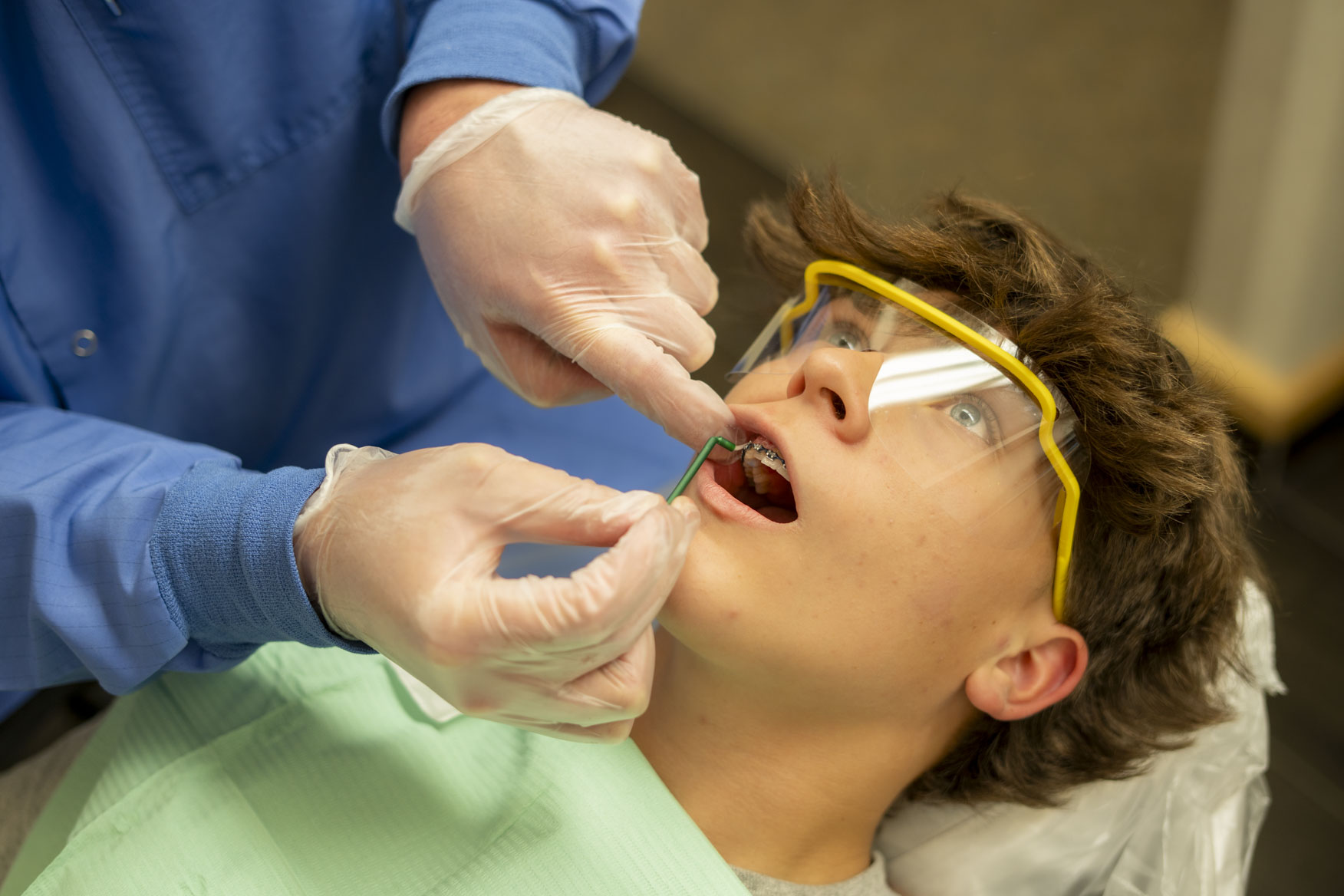
If you’re noticing bleeding, swelling, bad breath, or tenderness, that’s your signal to schedule a visit. At your appointment, your dental team will check your gums for pockets, inflammation, and buildup. None of this hurts—they’re simply measuring and looking closely.
X-rays may be taken to see what’s happening under the surface. This helps your dentist understand whether the infection has already started damaging bone or deeper tissue.
Most early-stage issues can be reversed with improved cleaning and a professional deep cleaning. What matters most is not waiting until pain shows up. Gum disease is usually painless in the beginning, which makes regular dental checkups essential.
Signs You Should See a Dentist Soon
- Bleeding gums
- Chronic bad breath
- Red or swollen gums
- Gum recession
- Loose teeth
- Pain when chewing
What Happens During a Gum Evaluation
- Visual exam of gums and teeth
- Pocket measurements to check gum depth
- X-rays to look for bone loss
- Deep cleaning recommendation if needed
None of this is painful, and it helps catch problems long before they become serious.
VI. Treatment Options for Gum Disease (From Mild to Advanced)
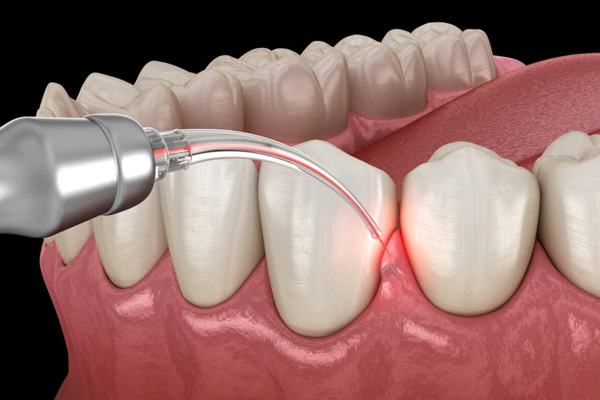
Gum disease treatment depends on how far the condition has progressed. If it’s still in the early stage, a professional cleaning and better home habits may be all you need. Your dentist may recommend a deep cleaning called “scaling and root planing,” which removes hardened plaque and bacteria from below the gumline.
If gum disease has advanced, more involved treatments may be needed. This can include medication placed directly under the gums or special rinses that target bacteria.
In more serious cases, surgical procedures may be recommended to repair damaged tissue or tighten loose gums around the teeth. While this sounds intimidating, many of these treatments are simple, safe, and done under local numbing to keep you comfortable.
Your dentist will walk you through every step and help you choose the approach that fits your situation. What matters most is taking action early to avoid long-term damage.
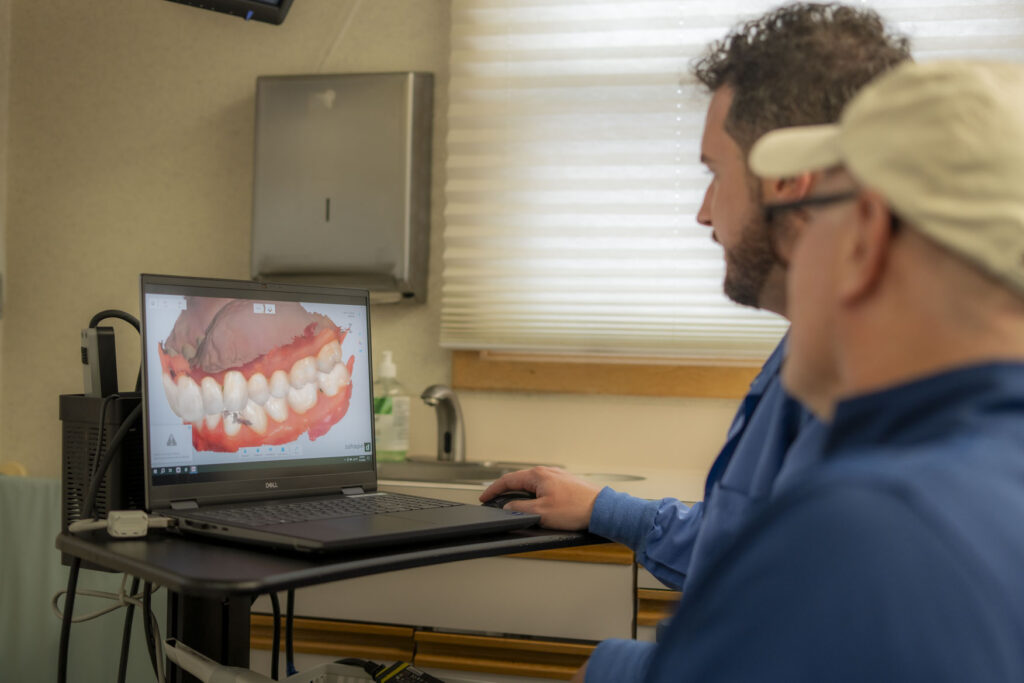
Common Treatments
- Professional Cleaning: Removes plaque and tartar
- Scaling & Root Planing: Deep cleaning under the gums
- Medication Rinses/Gels: Reduces bacteria
- Surgical Options: For advanced cases (gum grafting, pocket reduction)
Most early gum disease can be reversed with routine cleaning and better home care. Your dentist will guide you through the best option for your situation.
VII. Maintenance After Treatment (Keeping Your Gums Healthy Long-Term)
Once your gum disease is treated, the next step is keeping it from coming back. Consistency is key. Continue brushing and flossing every day, and follow any special instructions your dentist gives you—such as using a specific mouth rinse or cleaning tool.
Regular dental visits are essential after treatment. Most people benefit from cleanings every six months, but your dentist may recommend more frequent visits if your gums need closer monitoring. These appointments help keep plaque under control and allow your dental team to catch small problems early.
Be mindful of habits that can irritate your gums, like smoking or grinding your teeth. Both can slow healing and increase inflammation.
Think of maintenance as protecting your investment. You’ve already done the hard work by treating gum disease. Now the goal is to keep your mouth healthy and avoid going through the same trouble again.
Maintenance Tips
- Stick to your brushing and flossing routine
- Use any recommended mouth rinses
- Avoid smoking, which slows healing
- Reduce grinding or clenching (ask about night guards)
Recommended Dental Visit Frequency
| Gum Condition | Visit Frequency |
| Healthy | Every 6 months |
| Gingivitis | Every 3–4 months |
| Periodontitis history | Every 3 months |
VIII. Why Professional Care Matters (Expert Support You Can Trust)
Even with great home care, you still need a dental professional to stay ahead of gum disease. Dentists have tools and training that go far beyond what you can do at home.
Professional cleanings remove hardened plaque that brushing and flossing simply can’t reach. Your dentist can also spot early signs of infection, recession, or bone loss long before you feel any discomfort.
Seeing a professional also gives you personalized guidance. Everyone’s mouth is different. What works for one person may not fit your needs, especially if you have sensitive gums, crowded teeth, or past dental issues.
Most importantly, professional care helps you prevent small problems from becoming emergencies. Gum disease is much easier—and far less expensive—to treat early. When you pair daily home care with regular expert support, you give yourself the best chance at keeping your gums healthy for life.