Introduction
Laser Assisted New Attachment Procedure (LANAP) is an FDA-approved method for treating advanced gum disease that has been around since 2006, and has been provided here at Harbor Lights Dental Care since Dr. John Leitner completed his training in 2008. It requires highly specialized training and a highly specialized soft tissue laser to do properly. Dr. Colin Pellegrom completed his training in 2025 to continue providing this valuable service to patients across Grand Haven, Spring Lake, Ferrysburg, and surrounding communities. If you feel as though you could benefit from advanced gum treatment then I encourage you to read on and see how Harbor Lights Dental Care can help you.
1. How to identify if you have advanced gum disease
Have you ever experienced any of the following symptoms?
- Bad breath that doesn’t go away even when you brush
- Random bleeding of the gums
- Puffy, red appearance of the gums
- Black and yellow tartar surrounding your teeth
- Teeth that are loose or wiggly
- Gums pulling down the sides of your teeth
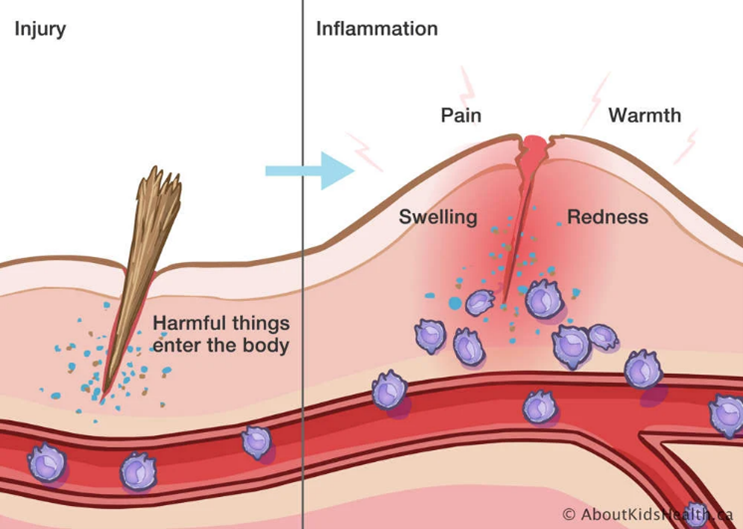
All these symptoms are related to inflammation which is the body’s natural response to try and correct a problem. Inflammation allows better access for our cells to go into an area of injury and fix it. It is why the skin swells when you bump into something too hard, or your lips turn red when a cold sore starts.
In the case of advanced gum disease, your gums swell and are red/inflamed because you have a chronic bacterial infection surrounding your teeth that your body is trying (and failing) to fight and fix. If you notice any of the above symptoms, it is important to see a dentist you trust like Dr. Colin Pellegrom for an in-depth evaluation of your teeth and gums and review your options for treatment.
2. Advanced gum disease and systemic health
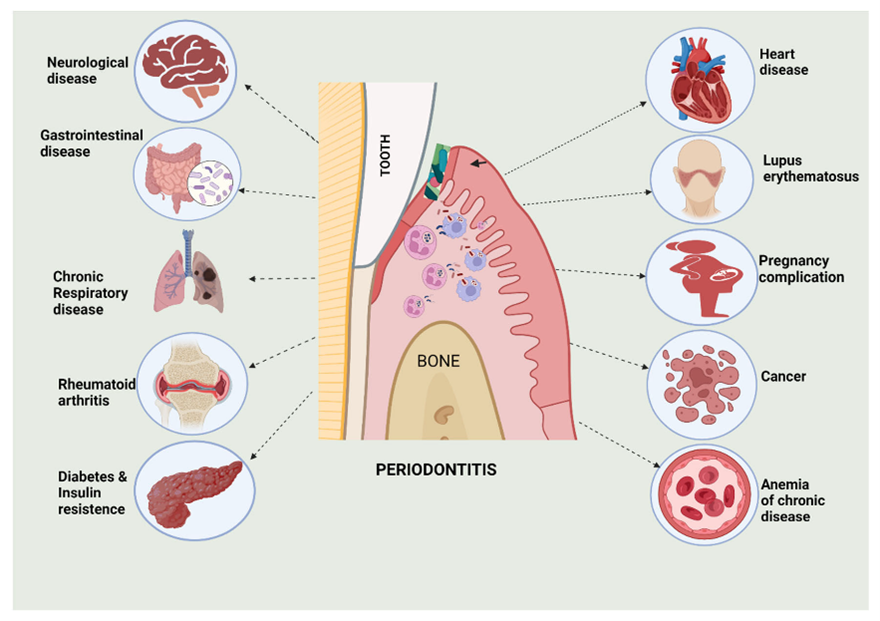
In patients with advanced gum disease, the body cells in the gums surrounding our teeth release molecules called cytokines which bring in cells from the blood that cause an inflammatory response. These cytokines are present in the blood throughout the body, meaning that inflammation is present throughout the body. This means that the bacteria that cause gum disease have downstream effects on the entire body. Chronic inflammation can contribute to:
- Cardiovascular disease
- Diabetes
- Respiratory disease
- Cancer
- Adverse pregnancy
- Multiple myeloma
- Alzheimer’s
Inflammation of the gums has destructive local effects that destroy the structures that support our teeth.
3. Effect of periodontal bacteria on gum and bone health
There are many different bacteria that cause periodontal disease but the main ones are:
- Porphyromonas gingivalis
- Prevotella intermedia
- Tannerlla forsythia
- Aggregatibacter actinomycetecomitans
These bacteria all have something in common: they have a molecule called lipopolysaccharide (LPS) attached to their cell membranes. LPS is a molecule that triggers an inflammatory response from our bodies. These bacteria also have the ability to group together and encase themselves in a hard matrix made from the calcium and phosphate in our saliva and essentially glue themselves to the sides of our teeth. This “tartar” cannot be brushed or flossed away. It requires specific treatment by a dental hygienist or dentist.
Until it is treated, this tartar exists as a chronic infection living on the surfaces of our teeth. Chronic infection causes chronic inflammation of our gums, and subsequently, our bodies. Swollen gums lead to resorption of the bone around our teeth – why? Your body is trying to make more room to fight the infection. When you lose bone, your teeth become loose and your gums recede down the side of your teeth.
This consequently can lead to the tartar growing larger, advancing further into the space where the supporting structures of our teeth have gone away. Our bodies alone do not have the means to fight through the defenses that these bacteria have. The tartar must be broken down and the bacteria must be killed. We need to tip the scales towards healing instead of destruction. Dentists and hygienists are equipped to tip those scales.
4. Traditional methods of treating advanced gum disease
There are 3 main ways to treat advanced gum disease: Scaling and root planing, Flap debridement, and Extraction and grafting.
Scaling and root planing takes place under local anesthesia and a hygienist or dental professional physically scrape and remove tartar as well as the diseased root surface that is infected with periodontal bacteria. This method is effective up to 6mm deep next to the tooth.
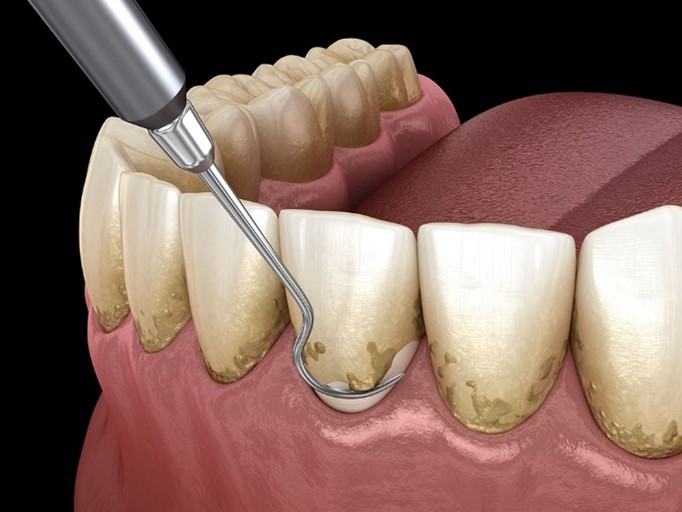
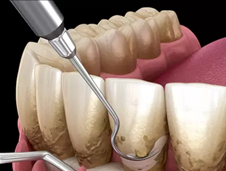
Flap debridement is where a periodontist or dentist with special training opens up the gums around the teeth surgically, debrides the tartar and diseased root surface, and diseased bone away, then sutures the gums back together. This is effective beyond 6mm deep but usually leads to increased recession and more root exposure on the sides of teeth after healing.
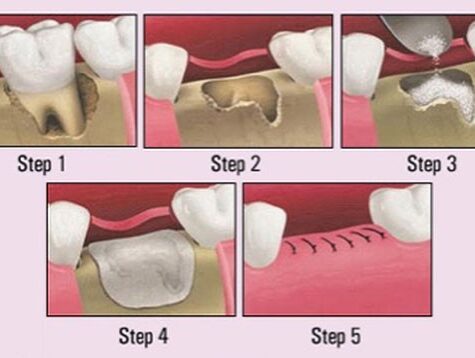
Extraction and grafting is a last resort where the diseased tooth has too much bone loss and advanced mobility. In this method, the tooth is taken out and bone graft is placed in the extraction site to increase bone volume in the area of extraction.
Many patients fear that their gingivitis is too advanced for any kind of therapeutic treatment and may be scared of surgical interventions that may cause pain. LANAP is an alternative to those and is highly effective at helping patients keep their teeth. LANAP is minimally invasive, highly effective, regenerative, and easy (for the patient). The patient usually reports only 1-2/10 pain scale 1 day post-operative. Traditional methods of treatment have higher reported pain experiences. LANAP is a pathway to save teeth that many would believe could not be saved.
5. A special kind of laser
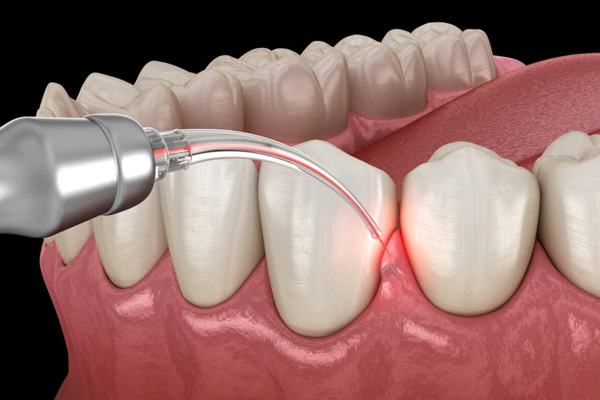
Nd-YAG stands for neodymium doped yttrium aluminum garnet. This is the type of laser medium that the Millenium Periolase MVP-7 uses to generate near-infrared laser light for LANAP periodontal treatment. Variations in laser wavelength result in different effects on the tissue that is targeted. The wavelength that the Periolase MVP-7 produces is 1064 nanometers. This wavelength is special because it is absorbed poorly by water and is absorbed well by proteins and cells. This means that the energy can penetrate deeply into the watery target tissues of the oral cavity! The other benefit of this wavelength is that the pigmented, dark colored granules that exist within the bacteria species that cause periodontal disease highly absorb it, causing it to cook and fracture within the bacteria and cause bacterial cell death. It is a bactericidal laser that is gentle on gums and hard on gum disease bacteria and helps in regenerating the gums and bone surrounding our teeth.
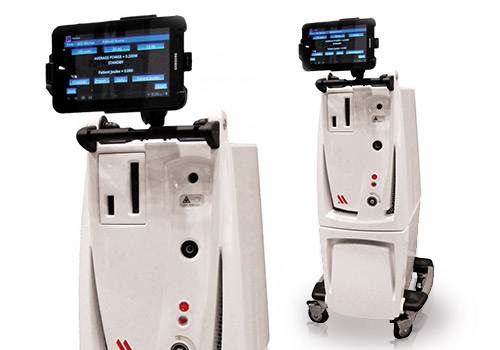
The Periolase MVP-7 is the only approved laser to complete the FDA-approved LANAP protocol for periodontal treatment and regeneration.
6. How LANAP works
The LANAP protocol is usually completed in two appointments then a long period of follow-up is required to ensure success. This is a comprehensive periodontal treatment that requires participation on behalf of the dentist as well as the patient, where the patient needs to comply with home care instructions provided by the dentist and regular check up appointments are required to maintain periodontal health. The sequence of treatment on the day of surgery looks like this:
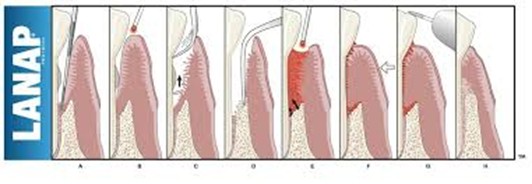
The first pass of the laser is meant to kill the bacteria in the periodontal pocket and loosen up the tartar that is on the root surface. The tartar is then removed using ultrasonic instrumentation which vibrates and knocks the plaque off the side of the tooth, then uses water to flush it away. A blunt instrument is then used to stimulate bone at the bottom of the pocket. A second pass of the laser on a different setting causes a blood clot to form around the tooth. This clot is important to maintain so that the gums adhere to the root surface and prevent recession and root exposure. We also adjust the bite and splint teeth together to prevent adverse forces from disturbing the clot that is forming. This all results in healthy gums with minimal recession and regeneration of gum and bone around the tooth. A period of follow-up ensures the success of the procedure.
7. What you can expect after LANAP surgery
Six weeks of healing are required before you can adopt normal oral hygiene practices. We slowly introduce more oral hygiene habits over the six weeks post-surgery in order to preserve the healing that is taking place around the teeth. This also includes diet recommendations that will prevent disruption of the “scab” in your gums that is healing. You can also expect some other things: Vast reduction in the redness around your teeth, better breath, cleaner looking teeth, less spontaneous bleeding of the gums, a reduction in inflammation. Over time, you can also expect some regeneration of the tissues supporting your teeth, most importantly bone.
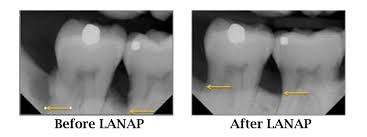
The light gray structure is the level of bone before and after treatment, and it is clear just how much of it grows back after LANAP treatment is completed.
8. Maintaining your healthy gums
One of the most important aspects of LANAP treatment is the follow-through. If you don’t follow through, you aren’t going to get the results you desire. Periodontal disease is forever, meaning that the bacteria that cause it will always be present. If the protective factors that prevent the bacteria from growing out of control relapse, then the scales tip back into a destructive state and periodontal disease returns indicating the need for retreatment.
One benefit that we have at Harbor Lights Dental Care is that we have a robust recall program where we will schedule your appointments in advance and offer reminders for follow up care, and our hygienists Angel and Alex are trained to use the Periolase MVP-7 on a gentle setting to disinfect the pockets around your gums at your maintenance appointments. Very few dental hygienists in the country are able to do such a procedure!
All of these aspects of LANAP treatment ensure that you can find success stabilizing your smile here at Harbor Lights Dental Care! If you are interested in learning more about LANAP treatment, feel free to call and schedule a consultation today! 616-842-2850